November 3, 2026
Dead tree stumps may seem harmless, but leaving them in a yard can create problems for nearby home foundations. As wood and roots decay, they can affect soil stability, drainage, and pest activity. Understanding these risks helps homeowners protect their property before minor concerns become expensive repairs. Professional local stump grinding offers a practical way to remove unwanted stumps and reduce the risks associated with long-term decomposition.
Understanding Dead Stumps and Their Risks
Recognizing Dead Stumps Around the Home
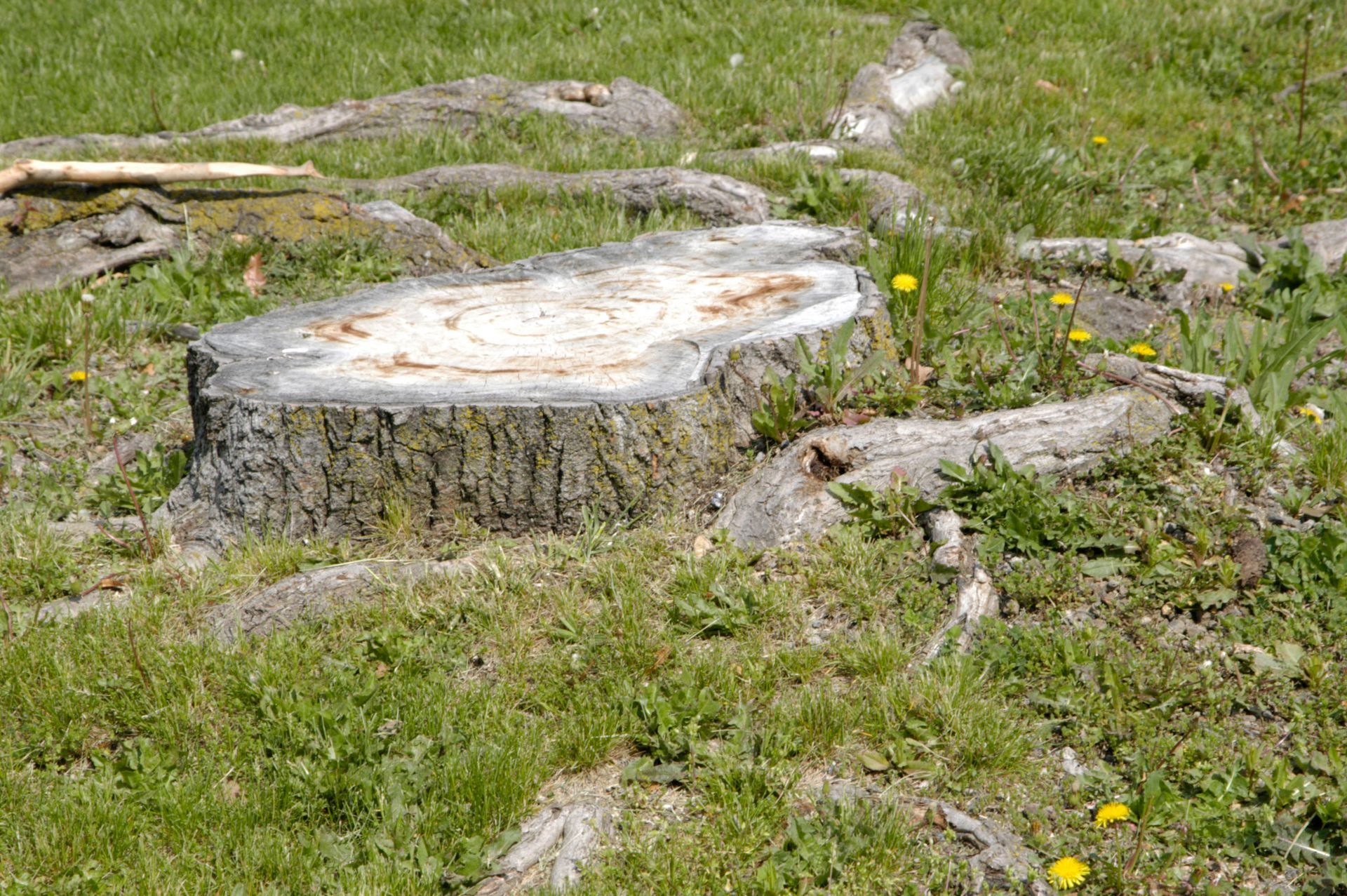
Dead stumps remain after trees are cut down or fall naturally. Although the visible trunk may appear harmless, underground roots can remain for years. As they decay, they leave spaces in the soil that may affect ground support near foundations, patios, and walkways.
Signs of deterioration include soft wood, fungal growth, hollow areas, and uneven ground. Homeowners may also notice changes in grass growth or water collecting nearby. Identifying these conditions early helps determine whether stump removal is necessary. Local stump grinding removes the visible stump and much of the wood below ground level, helping clear the landscape and reduce the amount of decomposing material near the surface.
Understanding How Long Decomposition Takes
Stump decomposition depends on wood type, moisture, and environmental conditions. According to Southern Living, deterioration can take up to 20 years, especially if it is a hardwood like oak; softer woods like pine can disappear in about seven years. During this period, roots gradually break down, potentially creating underground voids and changing the surrounding soil.
Because decomposition can continue for years, homeowners should not assume an old stump is harmless. Grinding addresses the problem more directly than waiting for natural decay, although some underground roots may remain.
Examining Soil Stability and Foundation Support
Identifying Changes in Soil Structure
Tree roots help anchor soil and contribute to its structure. After a tree is removed, its remaining roots eventually decay, leaving gaps that may allow soil to settle. The extent of this change depends on the root system, soil composition, and stump location. When a stump is close to a house, substantial ground movement may create concerns for nearby foundation support.
Local stump grinding reduces the amount of large decaying wood near the surface. However, it does not remove every underground root or guarantee foundation stability, particularly when extensive roots or existing soil problems are present.
Recognizing Signs of Foundation Movement
Foundation problems may develop gradually. Cracks in walls, uneven floors, sticking doors, and difficult-to-open windows can indicate structural movement. These symptoms can have several causes, including settling, drainage problems, and changing soil conditions.
Monitor the ground near old stumps for depressions and changes in nearby hardscaping. If structural warning signs appear, consult a qualified foundation professional to determine the cause rather than assuming the stump is responsible.
Managing Moisture and Drainage Problems
Understanding Moisture Retention Around Stumps
Decaying wood can retain moisture and encourage fungal growth. When a stump sits in a damp area, surrounding soil may remain wet for extended periods. Poor drainage can compound the problem, increasing the likelihood of water collecting near foundation walls or entering basement spaces.
Local stump grinding removes a moisture-holding mass of decaying wood, but drainage conditions still matter. Ensure gutters and downspouts direct water away from the house and that the ground slopes appropriately to prevent excessive moisture near the foundation.
Reducing Waterlogging and Seasonal Damage
Water-saturated soil can place additional pressure on foundation walls and contribute to leaks. In colder climates, water in the soil freezes and expands, potentially worsening existing cracks. Repeated freeze-thaw cycles can increase stress on vulnerable foundation areas.
Watch for persistent puddles, basement dampness, and soil that remains soft after rainfall. These conditions may signal drainage problems requiring attention. Removing a stump is one part of landscape maintenance, while grading improvements or drainage repairs may also be necessary.
Preventing Pest Infestations Near Foundations
Recognizing Pests Attracted to Decaying Wood
Dead stumps provide shelter and food for insects, including wood-boring beetles, ants, and termites in some regions. Damp, deteriorating wood can encourage pest activity. Although insects in a stump do not automatically indicate a home infestation, a stump close to a building may provide a nearby habitat for unwanted pests.
Local stump grinding reduces this habitat by breaking down and removing the main stump. Homeowners should also inspect nearby wooden structures for insect activity. If termites or other damaging pests are suspected, a licensed pest control professional can recommend appropriate treatment.
Protecting Nearby Wooden Structures
Wooden porches, sheds, and decks can be vulnerable to wood-damaging insects. Moisture can also contribute to wood rot, weakening affected materials. Keeping decaying wood away from buildings reduces potential pest habitats and supports a healthier landscape.
Avoid piling stump debris against the house or storing untreated firewood beside exterior walls. If an infestation is already present, coordinate stump removal with appropriate pest management rather than treating removal as a complete solution.
Choosing Effective Stump Removal Solutions
Comparing Common Removal Methods
Several approaches can address unwanted stumps, depending on their size, location, and condition. Mechanical extraction removes the stump and potentially many roots, but it can disturb a large area of soil. Chemical treatments may accelerate decomposition, although they can take considerable time while leaving the stump in place.
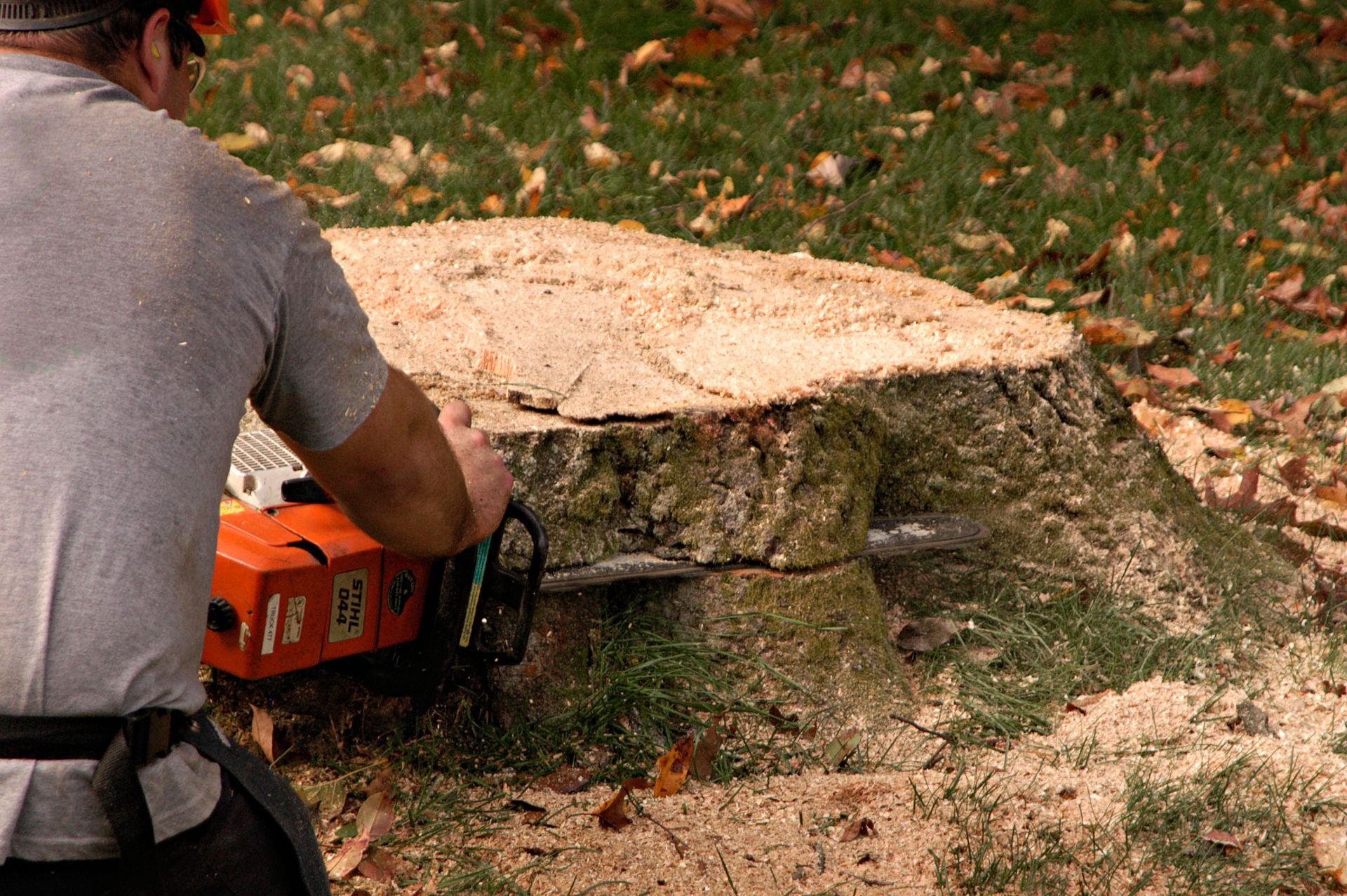
Local stump grinding is often practical when homeowners want to clear a stump without excavating a large section of the yard. Specialized equipment grinds the wood below the surrounding surface, producing chips that can be removed or managed during landscaping. The appropriate depth depends on the site's intended use and proximity to structures or utilities.
Understanding the Limits of Stump Grinding
Grinding reduces the visible stump, but roots typically remain underground and continue to decompose. The ground may settle as the remaining organic material breaks down, so homeowners should not assume grinding eliminates every potential source of soil movement.
Before work begins, the provider should assess the stump's location, nearby structures, and equipment access. Underground utilities must be identified before grinding. If the stump is near a foundation that already shows signs of movement, consult a foundation specialist about additional measures.
Maintaining a Stable and Healthy Landscape
Monitoring Ground Conditions After Removal
After stump removal, the affected area may need suitable soil to fill the depression. Wood chips alone may not provide stable support because they decompose and allow the surface to sink. The best approach depends on whether the area will become lawn, a garden bed, or another landscape feature.
Check the area periodically for depressions, standing water, or changes in nearby hard surfaces. Maintaining proper grading and directing runoff away from the house can help protect foundation conditions. If new cracks or uneven areas develop, seek professional evaluation.
Scheduling Professional Stump Management
Professional assessment helps homeowners choose a removal method suited to their property. Experienced providers can evaluate access limitations, equipment requirements, and potential obstacles before beginning work. They can also explain what grinding will accomplish and which steps may be needed afterward. Removing stumps before they become heavily deteriorated may simplify cleanup and give homeowners greater control over how the affected space is restored.
Routine yard inspections also help identify new concerns before they escalate. Homeowners should consider stump location, nearby structures, drainage patterns, and future landscaping plans when deciding which stumps to remove. A well-maintained yard supports easier property maintenance and helps keep potential hazards visible.
For help clearing unwanted stumps and improving your outdoor space, contact Warwick Tree Service Inc to discuss your property's needs. Professional local stump grinding can reclaim usable yard space, remove decaying wood, and support a well-maintained landscape. Schedule an assessment to determine the right approach for your property and take a proactive step toward protecting your home's surroundings.