August 29, 2026
Storms can cause significant damage to properties, often leaving behind fallen trees and debris that need immediate attention. This blog explores how an efficient storm cleanup service and proper tree removal can quickly restore your property to its former glory, minimizing risks while highlighting best practices and necessary tools.
Understanding The Impact of Storm Damage on Properties
Analyzing Types of Damage Caused by Fallen Trees
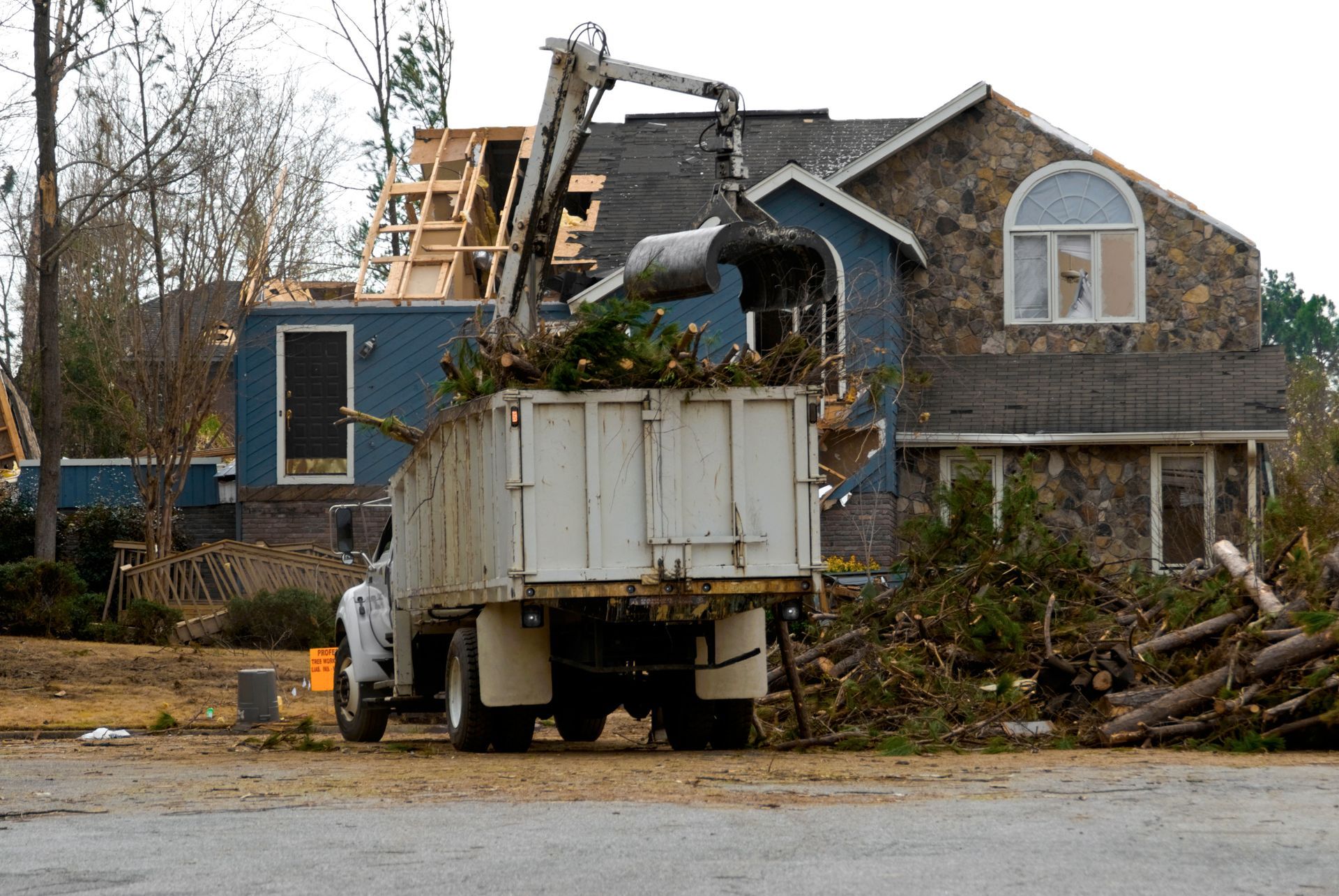
Fallen trees during a storm can lead to various types of damage on a property. According to USAFacts, tropical storms have maximum speeds of 39 to 73 mph, and trees under these conditions may fall on roofs, causing structural damage that requires immediate repair. The weight and impact of trees can also break windows and damage fencing, leaving properties exposed. Root systems uplifted during a storm may cause pavement or driveway cracking. In some cases, fallen trees obstruct access roads or pathways, complicating evacuation and emergency response efforts.
Identifying Immediate Risks Associated with Storm Debris
Debris from storms poses immediate risks to safety and health. Sharp branches and jagged tree remnants can cause physical harm to individuals and pets navigating storm-afflicted areas. Additionally, debris can obstruct vision and conceal hazards like downed power lines, increasing the risk of electrical shock. Accumulated organic matter can become a breeding ground for pests and diseases if not promptly cleared. Hiring a professional storm cleanup service or initiating swift removal is crucial to mitigate these hazards and ensure the safety of all property occupants.
Considering Long-Term Effects of Unaddressed Storm Impact
Ignoring storm damage and debris can lead to prolonged adverse effects. Unaddressed damage devalues properties, making them less attractive to potential buyers or renters. Over time, areas not repaired can deteriorate further, necessitating more expensive repairs. Accumulated debris can hinder drainage, leading to water damage and soil erosion. Furthermore, the presence of debris can disrupt local ecosystems by providing shelter for invasive species.
Evaluating Cost Implications of Storm Damage
The financial burden of storm damage can be significant for property owners. Repair costs can escalate if damage is extensive or if cleanup is delayed. Fallen trees and debris removal often require specialized equipment and skilled labor, contributing to higher expenses. Additionally, if storm damage is severe, it might exceed insurance coverage, leaving homeowners to cover the difference. Without prompt intervention, minor damages can evolve into major, costlier issues down the line.
Navigating Insurance Considerations for Storm-Related Tree Damage
Insurance policies vary in terms of coverage for tree-related storm damage. Many policies cover damages if a tree falls on insured structures, but they might not pay for removal if there is no damage. Policyholders should review details regarding specific storm-related clauses and deductibles. Prompt documentation of damage is essential for successful claims. Partnering with a reliable storm cleanup service that understands policy requirements and getting proper paperwork beforehand can prevent surprises during the stressful aftermath of a storm.
Evaluating Initial Assessment and Safety Measures
Conducting a Thorough Damage Assessment
Immediately after a storm, conducting a detailed damage assessment is crucial. Evaluate the extent of damage across the property, noting any potential hazards. This involves checking for structural damage, fallen trees, and other debris. Taking photographs and detailed notes is recommended for insurance and repair purposes. Understanding the complete picture allows for a prioritized and effective cleanup strategy.
Prioritizing High-Risk and Hazardous Situations
Not all storm damage poses the same level of risk, making prioritization essential. High-risk situations include downed power lines, falling debris hazards, and obstructed access. Identifying these hazards quickly is crucial for safety and resource allocation. Once identified, these situations require immediate attention either through direct action or professional intervention. Prioritizing effectively can significantly reduce safety hazards and minimize further damage.
Following Safety Precautions and Wearing Protective Gear
Safety should be the primary concern for property owners addressing storm damage. Proper gear such as helmets, gloves, and sturdy boots is essential to protect against sharp debris and hidden hazards. Caution should be exercised around unstable trees or debris piles. It's advisable to maintain a safe distance from downed power lines until professional services arrive. Being well-prepared can prevent accidents and ensure a smoother cleanup process.
Establishing Safe Zones Around Hazardous Areas
Once hazards are identified, establishing safe zones is vital to prevent accidents. Barricading areas with visible signs or temporary fencing can help keep individuals away from danger. These zones should extend well beyond visible hazards to account for unseen risks. Proper lighting or reflective tape may be necessary during low-visibility conditions. Creating safe zones is a proactive step in maintaining order during the chaotic aftermath of a storm.
Engaging Professional Services for High-Risk Scenarios
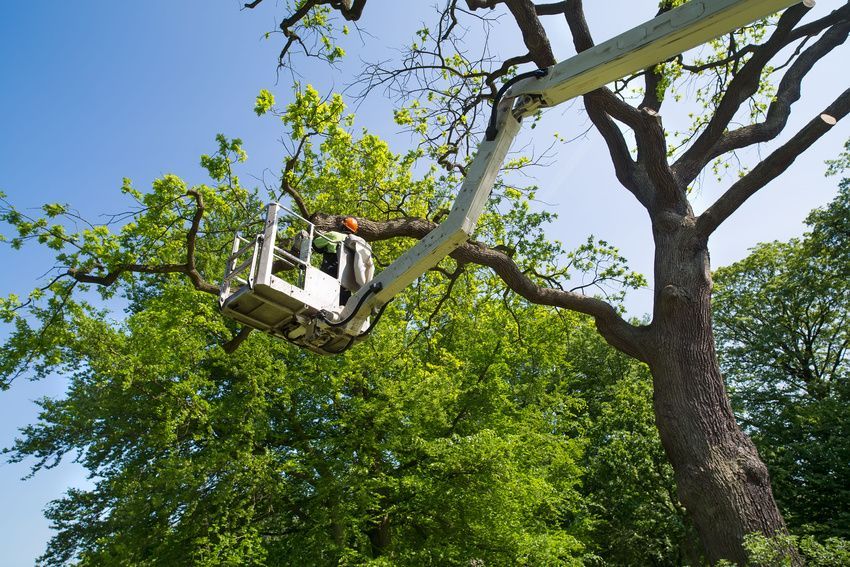
In some cases, hiring a professional storm cleanup service is necessary to handle high-risk scenarios effectively. Certified arborists and storm cleanup experts have the expertise and equipment needed for safe debris removal. Attempting to deal with extremely dangerous situations without professional help could lead to further damage or injury. Professional services have the benefit of experience, reducing the time and complexity involved in restoring a property. Engaging these experts can be an essential step in navigating the recovery process.
Offering Efficient Debris Removal Techniques
Utilizing Heavy Machinery and Specialized Equipment
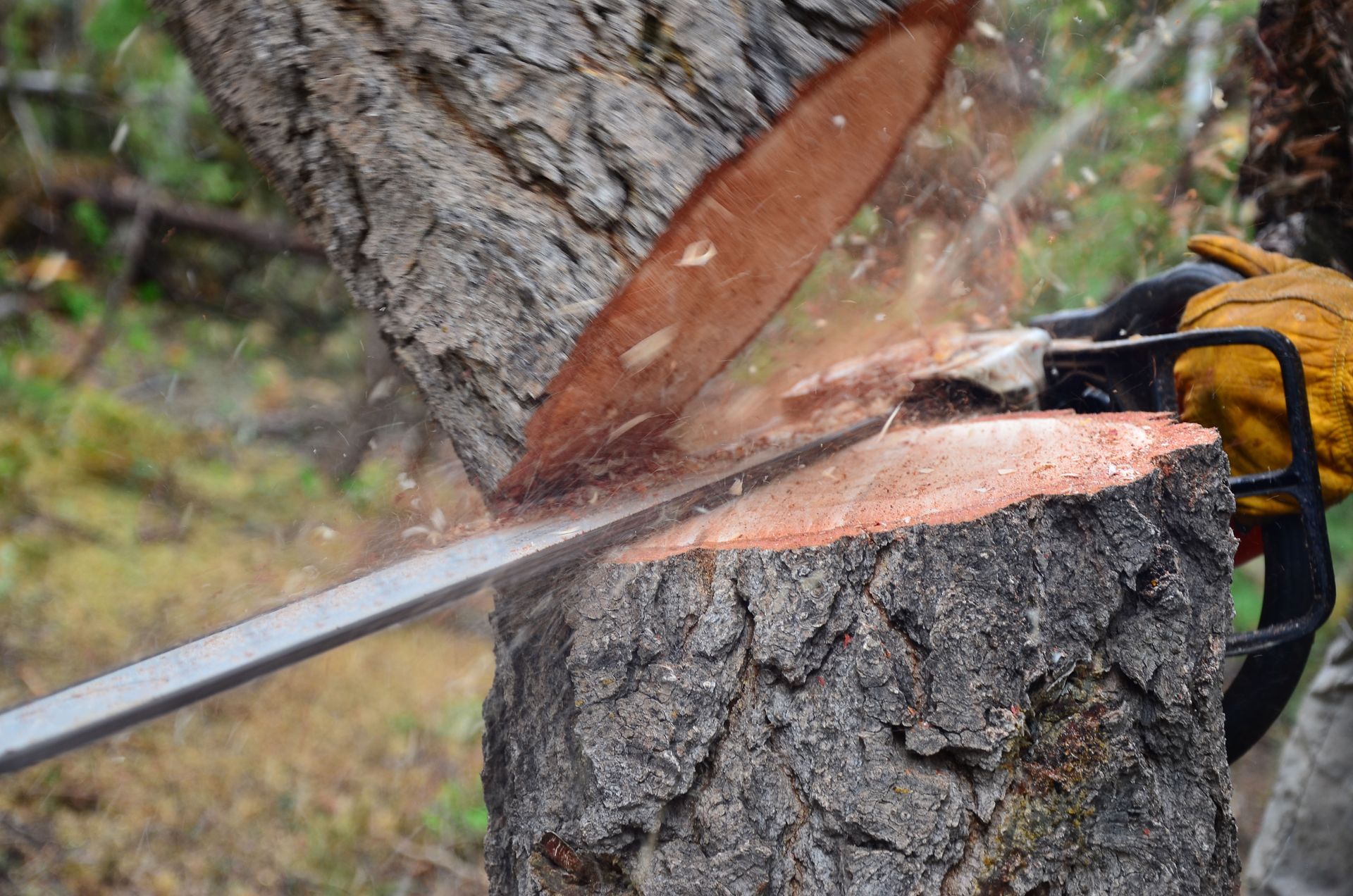
The use of heavy machinery is often essential for rapid and effective debris removal. Equipment such as cranes, bulldozers, and chainsaws allows for the safe handling of large fallen trees and branches. Operators are trained to minimize property disturbance while maximizing removal efficiency. While machinery speeds up the process, it's important to use it carefully to avoid further damage to sensitive areas.
Implementing Manual Debris Removal Strategies
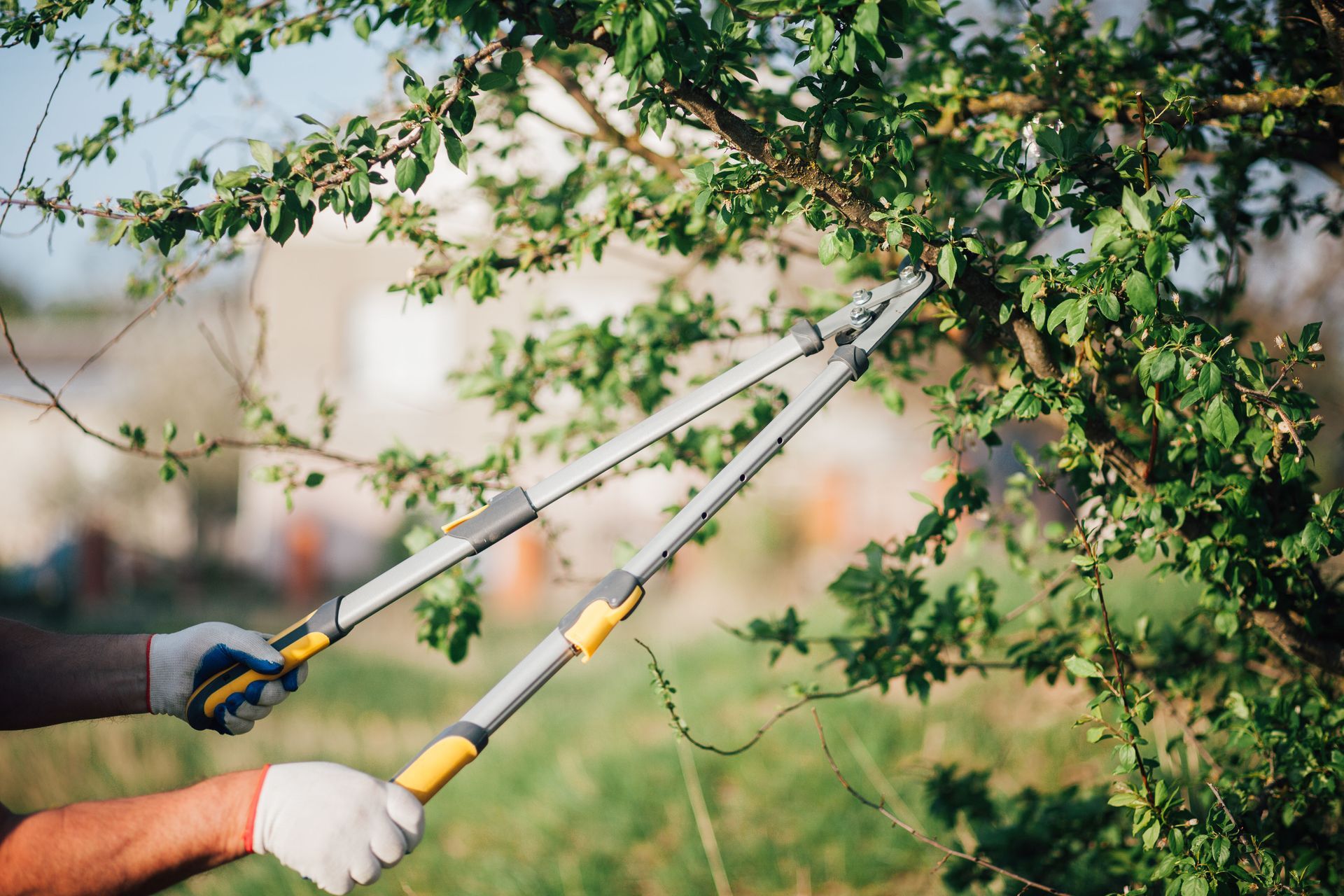
In areas where machinery is unsuitable, manual removal techniques can be effective. Utilizing hand tools like pruning shears, saws, and wheelbarrows allows for careful and precise debris clearing. Manual methods are especially useful in fragile environments or when maneuvering around delicate landscapes. Experienced crews work efficiently by dividing tasks and ensuring each team member is well-equipped.
Processing Organic Versus Inorganic Debris
Segregating debris into organic and inorganic categories is a crucial step in efficient cleanup. Organic debris, such as leaves and branches, can often be composted or recycled. In contrast, inorganic debris may require more specialized disposal methods to comply with local regulations. Identifying materials correctly ensures that recycling and disposal actions are environmentally responsible.
Exploring Eco-Friendly Disposal Methods
Eco-friendly disposal methods are increasingly important in managing storm debris. Composting organic materials supports sustainable waste management practices and enriches soil quality. For large-scale debris, partnering with a local storm cleanup service or recycling facility can be an effective strategy. Implementing community-wide initiatives, like mulching programs, diverts organic waste from landfills, creating beneficial end-products.
Leveraging Innovation for Faster Debris Clearance
Innovation continues to revolutionize debris clearance processes. New machinery technologies increase efficiency and safety in challenging removal scenarios. Drone technology, for instance, enables better mapping of debris fields, allowing precise and targeted operations. These advances are essential in coping with the increasing frequency and intensity of storms. As cleanup techniques evolve, property owners benefit from faster service and more effective recovery.
Effective tree removal and choosing the right storm cleanup service are crucial for ensuring the quick restoration of properties after major weather events. By understanding the processes, tools, and technologies involved in cleanup and restoration, property owners can prioritize safety, minimize financial impact, and restore their environments swiftly. For a storm cleanup service, call Warwick Tree Service Inc today.