October 12, 2026
A healthy yard does not happen through one visit or one season. Trees change as they grow, weather patterns shift, and surrounding landscaping develops. A long-term plan gives homeowners a practical way to stay ahead of maintenance while protecting the appearance, safety, and usefulness of outdoor spaces.
For properties in Rhode Island and neighboring parts of Connecticut and Massachusetts, seasonal changes can make planning especially important. Winter snow, spring growth, summer heat, and autumn storms can each affect trees differently. Professional tree services can help homeowners understand what their landscape needs now while preparing for conditions that may develop later.
Assessing Current Tree Conditions
The first year of a long-term plan should establish a clear picture of the property. Trees should be evaluated for dead or damaged limbs, structural concerns, excessive growth, storm damage, and signs that a tree may be declining. Location matters as well. A tree near a roof, driveway, walkway, utility area, or other structure may deserve closer attention than one standing in an open portion of the yard.
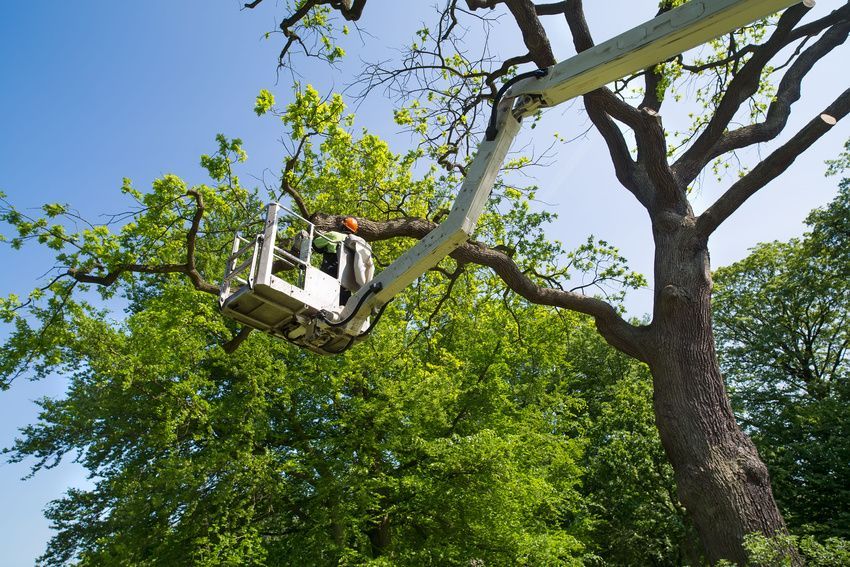
Professional tree services can provide an objective assessment of conditions that may be difficult for a homeowner to evaluate from the ground. A qualified crew can consider the tree itself along with surrounding structures and landscape features. This broader perspective helps homeowners make informed decisions about maintenance, pruning, removal, or monitoring.
An initial assessment is also a useful time to discuss goals. Some homeowners want to improve views or maintain a particular landscape design, while others are primarily concerned with safety and storm preparedness. Establishing priorities early makes future scheduling more straightforward.
Establishing a Seasonal Maintenance Schedule
Once current conditions are understood, the next step is creating a schedule that fits the property. Not every tree needs attention at the same frequency, and the right timing can depend on species, condition, growth patterns, and the type of work involved.
According to Home Advisor, trimming a tree every three to five years can help support its overall health and encourage healthy growth. That general interval can serve as a planning reference, but it should not replace an evaluation of individual trees. Some properties may need attention sooner because of rapid growth, storm damage, structural issues, or changing surroundings.
Late winter and early fall can be favorable periods for certain trimming projects in the region, although timing should be based on the specific task and tree. Spring is also useful for observing new growth and identifying damage that became visible after winter. Summer provides an opportunity to monitor canopy development, while fall preparation can focus on potential storm hazards before harsher weather arrives.
A seasonal calendar should remain flexible. If a major storm causes damage, urgent work takes priority over routine scheduling. Consistent tree services can also simplify long-term planning.
Monitoring Growth and Structural Changes
Trees are living structures, so their condition can change between planned maintenance visits. New branches may alter weight distribution, roots can affect nearby surfaces, and weather can expose weaknesses that were not previously apparent.
Regular observation does not mean performing technical work independently. Instead, homeowners can pay attention to visible changes and contact professionals when something appears unusual. Leaning, broken limbs, significant deadwood, visible decay, or storm-related damage can all justify a professional evaluation.
Tree services are particularly valuable when a property has mature trees close to buildings or areas with frequent foot or vehicle traffic. Early attention may allow a manageable issue to be addressed before it becomes a larger safety concern. In some cases, preservation and pruning may be appropriate; in others, removal may be the safer long-term choice.
Preparing for Storm-Related Risks
New England weather can change quickly, and strong winds, heavy rain, snow, and ice can place significant stress on trees. A multi-year yard plan should therefore include storm preparation rather than treating storm cleanup as the only response.
Before severe weather seasons, homeowners can arrange professional evaluations of trees that appear vulnerable or that stand close to important structures. Professional tree services can address hazardous growth, damaged limbs, unstable trees, and other concerns that may increase risk during storms.
After a storm, safety should remain the priority. Fallen trees, hanging branches, damaged trunks, and blocked access areas can create hazards that require specialized equipment and trained personnel. Property owners should avoid approaching unstable trees or attempting to manage large damaged limbs themselves.
Emergency planning is also easier when homeowners already know which company to contact. Keeping professional information available and understanding the property's recurring needs can reduce uncertainty when severe weather creates an unexpected problem.
Managing Stumps and Landscape Space
Tree removal does not always mark the end of a project. Stumps can remain after a tree is taken down, affecting the appearance and usability of a yard. They may also interfere with future landscaping, construction, mowing, or other property improvements.
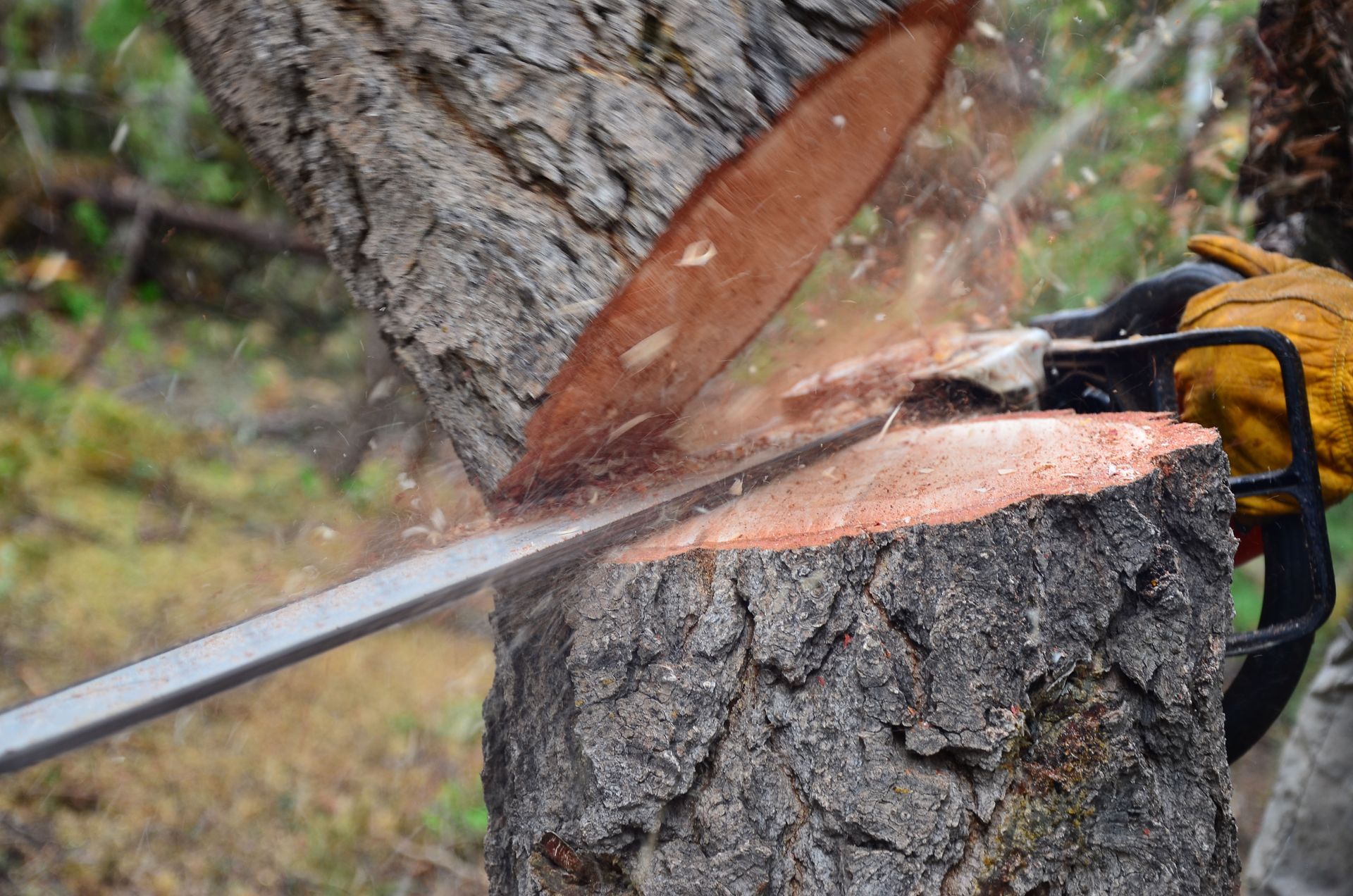
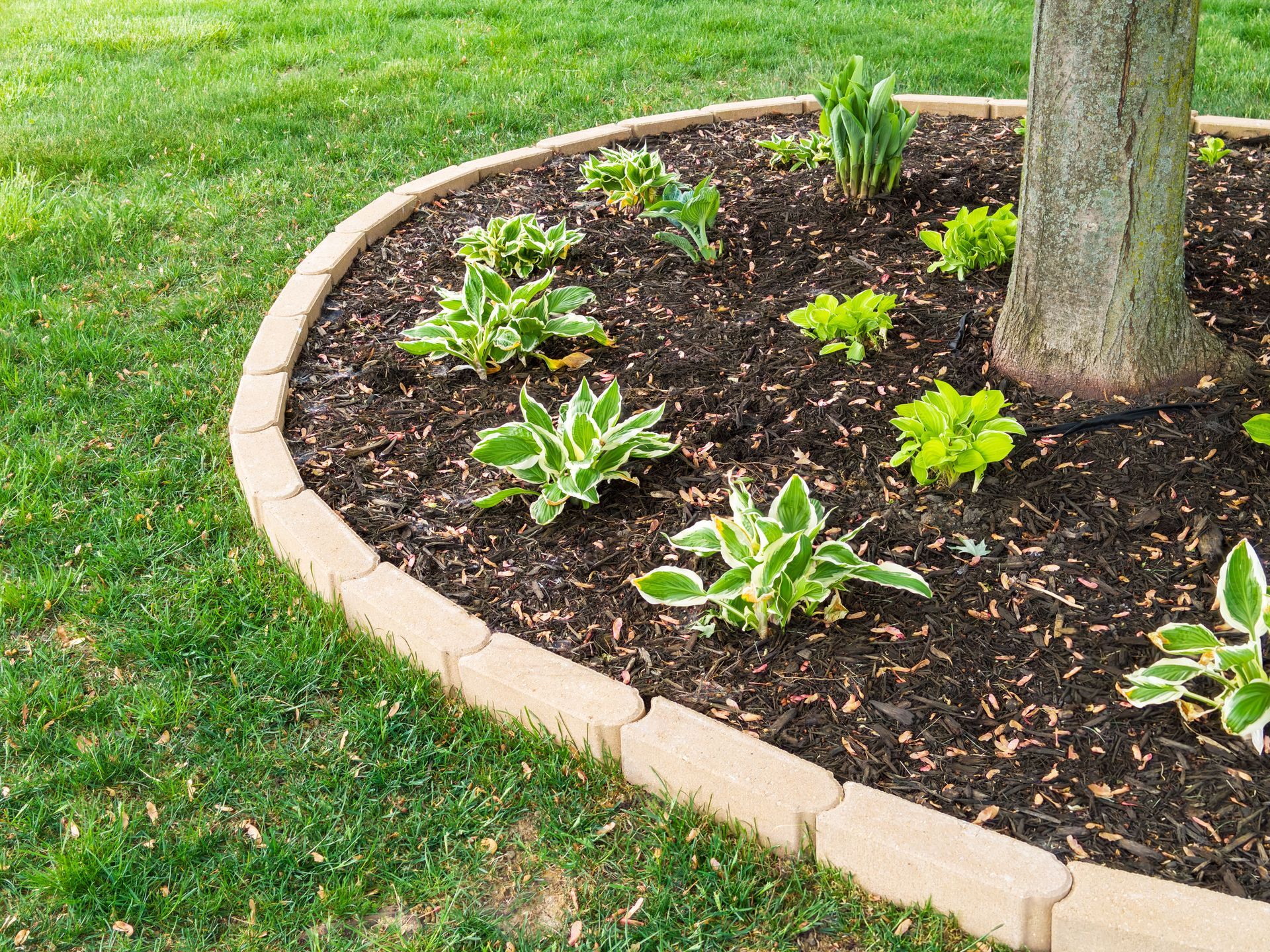
Stump grinding can help clear this remaining obstacle and create a more usable area. Depending on the property, homeowners may then choose to replant, expand a garden, improve lawn space, or prepare the area for another outdoor project.
Long-term planning should also consider areas where multiple trees have been removed or where a property needs more open space. Land clearing may be appropriate for larger projects, while targeted removal can address individual concerns without changing the character of the entire landscape.
Reviewing the Plan Each Year
A multi-year plan should be reviewed rather than followed blindly. At least once each year, homeowners can consider what has changed, which projects were completed, and whether upcoming work still matches the property's needs.
Changes in home additions, fencing, driveways, gardens, drainage, or neighboring development can affect how trees fit into the landscape. A tree that was once comfortably positioned may eventually have branches extending toward a new structure. Conversely, a previously crowded area may have more room after another tree is removed.
Professional tree services can support these annual reviews by evaluating current conditions and helping homeowners prioritize future work. This can be especially useful for properties with mature trees, complicated terrain, or several different maintenance needs.
Budgeting is another reason to review the plan. Separating routine maintenance from larger projects allows homeowners to anticipate expenses instead of waiting for an emergency to force a decision. When safety concerns arise, however, cost planning should never delay necessary professional attention.
Protecting Long-Term Property Value
Well-maintained trees can contribute to a property's visual appeal and outdoor character, but their value depends on responsible management. Overgrown, damaged, or poorly positioned trees can create the opposite impression and may introduce avoidable risks.
A long-term approach balances preservation with safety. It recognizes that not every tree should be removed simply because it requires maintenance, while also acknowledging that some trees may eventually become unsuitable for their location.
Professional tree services can help homeowners navigate that balance by combining maintenance, pruning, removal, stump work, and storm response as conditions change. The objective is a landscape that remains attractive, functional, and appropriately managed over time.
For homeowners, consistency is often more useful than trying to complete every project at once. Small, well-timed decisions can make future maintenance more predictable and help outdoor spaces remain enjoyable through changing seasons.
A multi-year plan gives homeowners a clearer path from today's yard to tomorrow's landscape. By evaluating trees regularly, scheduling appropriate maintenance, preparing for severe weather, and addressing removal or stump concerns when necessary, property owners can protect both safety and curb appeal. Warwick Tree Service Inc can help homeowners build a practical approach to long-term property care with professional tree services tailored to their landscape. Contact the team today to schedule an assessment and take the next step toward a healthier, safer yard.