November 5, 2026
Silent canopy fractures represent a severe, compounding hazard across residential properties, commercial facilities, and municipal green spaces. Overhead canopies, whether comprising sprawling mature hardwood limbs or complex structural shade installations, sustain enormous biomechanical forces daily. When internal fractures develop within these load-bearing branches, they frequently do so without displaying external indications, masking catastrophic failure risks from untrained observers. Because unaddressed structural decay accelerates beneath the surface, property owners often remain unaware of the danger until a sudden, devastating branch failure occurs. Mitigating these volatile overhead conditions requires professional intervention, rapid risk profiling, and a deep understanding of structural failure. When a compromised specimen reaches the point of sudden collapse, immediate intervention through emergency tree removal becomes the only dependable solution to protect lives and nearby physical property.
Understanding the Mechanics of Silent Canopy Fractures
Internal canopy fractures develop when high torsional stresses, wood rot, or dynamic wind forces exceed the structural capacity of an overhead limb or trunk union. Unlike obvious storm trauma, where limbs snap visibly, silent fractures occur at a microscopic or cellular level before propagating inward along radial grain lines. As timber sways during high winds or bears heavy snow accumulation, internal fibers tear away from one another beneath unbroken bark. This creates a hidden void that progressively compromises structural stability while maintaining a deceptive appearance of health. When these internal fissures expand unnoticed, limbs can suddenly shed during calm, clear afternoons, a phenomenon frequently termed sudden branch drop. Without specialized diagnostic procedures, property managers risk overlooking severe compromises until structural collapse causes irreparable damage.
Analyzing Primary Causes of Overhead Structural Failure
Multiple overlapping variables initiate internal structural failures within overhead canopies, spanning material fatigue, poor vascular development, and prolonged environmental stress. Tree canopies bear dynamic, fluctuating loads that exert cyclic tension and compression forces upon primary scaffold limbs. Over decades, this cyclic loading produces mechanical fatigue along branch unions, particularly where tight bark inclusions prevent healthy wood knitting. Furthermore, improper pruning practices, such as excessive thinning or flush cuts, induce decay pockets deep within heartwood cores. Environmental shifts, including alternating periods of drought and soil saturation, exacerbate internal stress by disrupting natural cell turgor and wood elasticity. When wood tissue dries out, becomes brittle, and suffers persistent mechanical strain, structural failures develop rapidly, requiring commercial emergency tree removal before high-impact collisions occur.
Distinguishing Concealed Cracks from Visible Branch Damage
Differentiating between concealed canopy damage and obvious physical defects demands specialized diagnostic equipment and seasoned arboricultural expertise. Standard visual inspections routinely identify overt hazards, such as snapped limbs dangling in the canopy, peeling bark strips, or expansive hollow cavities. In contrast, silent fractures develop beneath intact bark layers or deep inside co-dominant stems where visual clues remain entirely concealed. Certified arborists detect these hidden compromises using acoustic tomography, micro-resistance drilling, and sonic stress wave analysis. These advanced methodologies measure internal sound velocity variations, revealing decayed pockets and hidden internal separations without harming living tissue. When diagnostic evaluations confirm an internal fracture running through a major limb over a dwelling, scheduling emergency tree removal eliminates the liability before the branch fractures completely.
Evaluating Environmental Loads and Internal Timber Fatigue
Dynamic environmental forces act as perpetual catalysts for silent canopy degradation, continuously challenging the biomechanical resilience of overhead limbs. High-velocity wind events create violent wind-loading patterns, causing branches to oscillate rapidly and exert massive levered forces on internal wood rings. In winter, freezing temperatures transform moisture trapped inside tiny microscopic fissures into expanding ice wedges, prying open internal grain separations. Summer heatwaves compound this fatigue by drying out branch extremities, robbing timber of natural bend flexibility. Additionally, prolonged rainfall saturates root zones while simultaneously adding immense water weight to foliage crowns. When internal wood fibers weaken under this compounding environmental fatigue, a sudden crack can split an entire trunk, demanding immediate emergency tree removal to prevent catastrophic residential devastation.
Recognizing Critical Hazards in High-Traffic Environments
The presence of concealed canopy fractures introduces severe life-safety concerns and immense financial liabilities across high-traffic environments. Urban corridors, shopping center parking lots, public parks, and suburban driveways constantly channel pedestrians and vehicles beneath sprawling branches. When an undetected internal fracture finally reaches structural exhaustion, the resulting free-fall impact can crush motor vehicles, shatter roofs, or inflict life-threatening bodily injury. According to Southern Living, a tree that is more than 50% damaged or dead threatens safety. This benchmark underscores the reality that decaying timber overhead presents non-negotiable legal and physical perils. Property owners bear a strict legal duty of care to maintain safe premises; neglecting compromised canopies invites devastating premises liability lawsuits. In hazardous situations where canopy failure appears imminent, calling for professional emergency tree removal resolves pressing liabilities instantly.
Deploying Modern Technologies for Early Crack Detection
Technological innovation has transformed modern risk assessment by allowing arborists to inspect canopy interiors without invasive cutting or destructive sampling. High-resolution aerial drones equipped with multispectral cameras can navigate dense tree crowns to assess upper limb crotches that remain invisible from ground level. Ultrasonic sensors and electrical resistance tomographs generate detailed cross-sectional color maps of trunk interiors, pinpointing hidden decay cavities and internal stress fissures with surgical precision. Furthermore, continuous wireless tilt sensors can monitor live movements during major weather events, instantly alerting managers if a trunk exhibits abnormal structural deflection. When sensor arrays detect sudden structural shifting along major lateral branches, dispatching certified specialists for advanced crane extraction prevents devastating building strikes.
Implementing Proactive Inspections and Maintenance Regimens
Preventing sudden canopy drop requires establishing comprehensive, structured inspection protocols that identify structural vulnerabilities before microscopic cracks expand into catastrophic splits. Commercial properties and residential estates benefit immensely from bi-annual tree health audits conducted by certified arborists. These inspections focus systematically on evaluating load-bearing branch unions, identifying signs of internal bacterial rot, and checking root flares for subterranean stability issues. Routine canopy management, such as crown cleaning, directional pruning, and canopy weight-reduction thinning, mitigates excessive wind drag and reduces dynamic stress points across mature limbs. However, when proactive inspections uncover irreversible interior decay spanning primary scaffold limbs, preemptive emergency tree removal serves as the ultimate fail-safe to maintain perimeter security and life safety.
Resolving Imminent Hazards with Controlled Dismantling Operations
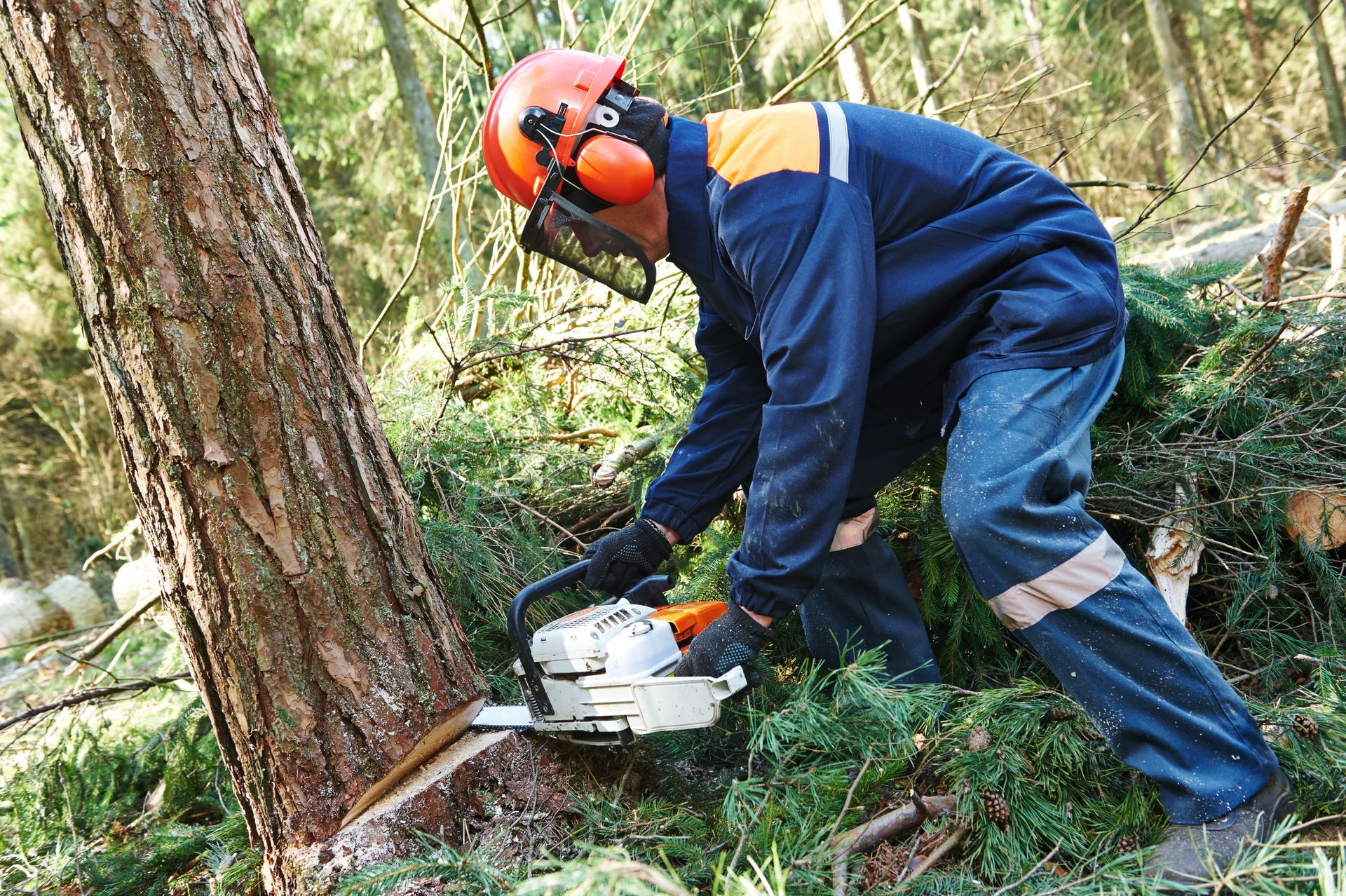
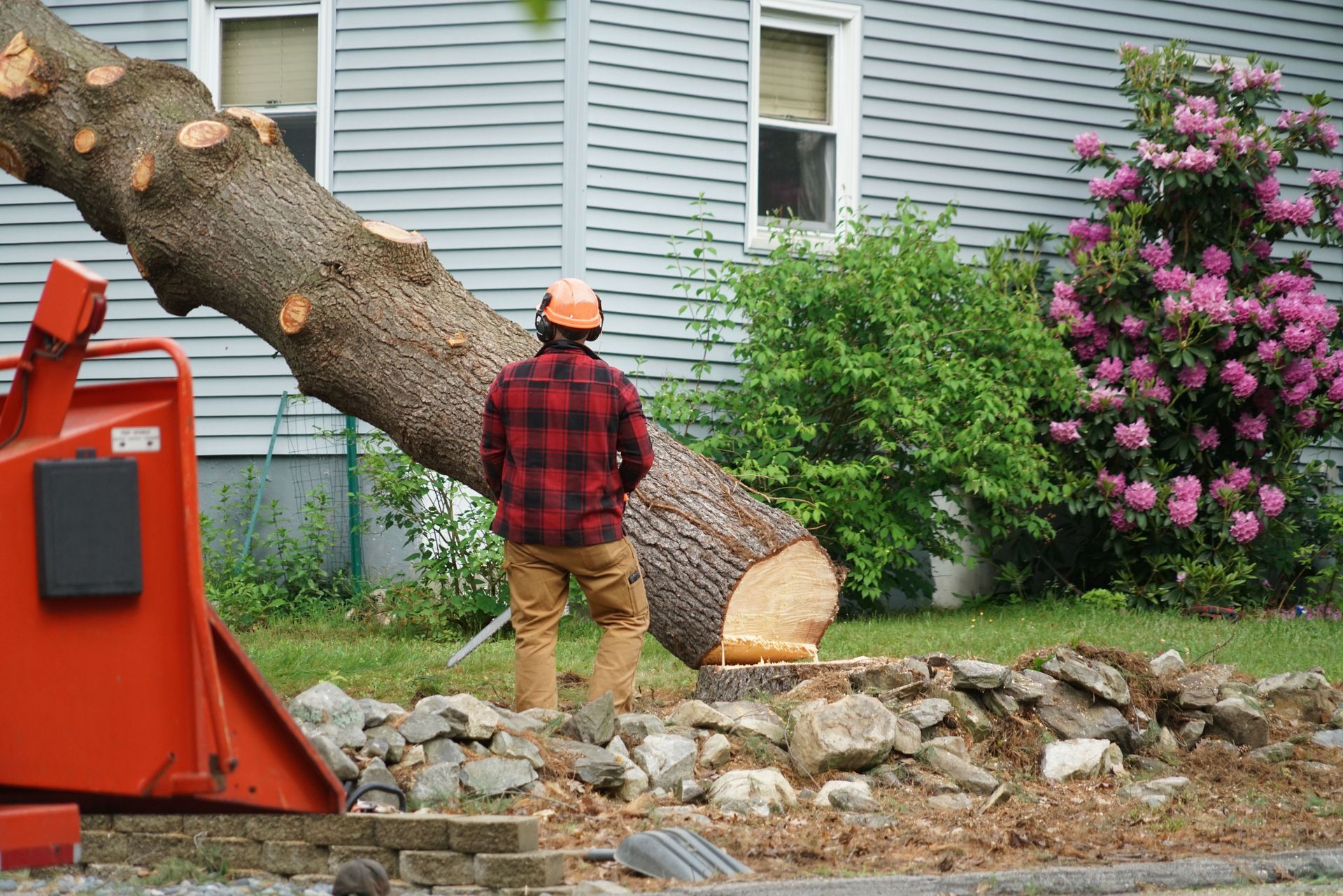
When diagnostic assessments reveal advanced silent fractures spanning critical structural junctures, restorative pruning and artificial support cables are no longer viable safety options. Severely fractured limbs possess unpredictable structural stability, meaning standard rigging operations can trigger spontaneous failure during active servicing. Specialized crews utilize heavy-duty cranes, bucket trucks, and advanced rigging pulleys to systematically dismantle unstable canopies piece by piece without dropping heavy logs onto surrounding structures. Utilizing emergency tree removal eliminates dangerous kinetic energy reserves trapped inside compromised wood before sudden ground impact occurs. Rapid mobilization ensures that unstable timber threatening power lines, commercial thoroughfares, or family dwellings is neutralized before seasonal storms exploit the structural compromise.
Protecting Landscapes Through Comprehensive Safety Standards
Securing your landscape against the silent menace of canopy fractures requires sustained vigilance, cutting-edge diagnostic analysis, and swift professional remediation. Invisible fractures will continue to threaten overhead safety as mature canopies weather recurring storms, seasonal freezes, and inevitable biological aging. Protecting your real estate investment and family requires partnering with fully insured, highly qualified tree care specialists who possess the heavy machinery and technical skill to mitigate complex canopy hazards safely. If you suspect an unstable branch or require immediate emergency tree removal to protect your home from sudden structural collapse, contact Warwick Tree Service Inc today for comprehensive assessments and prompt, professional tree care solutions.