October 3, 2026
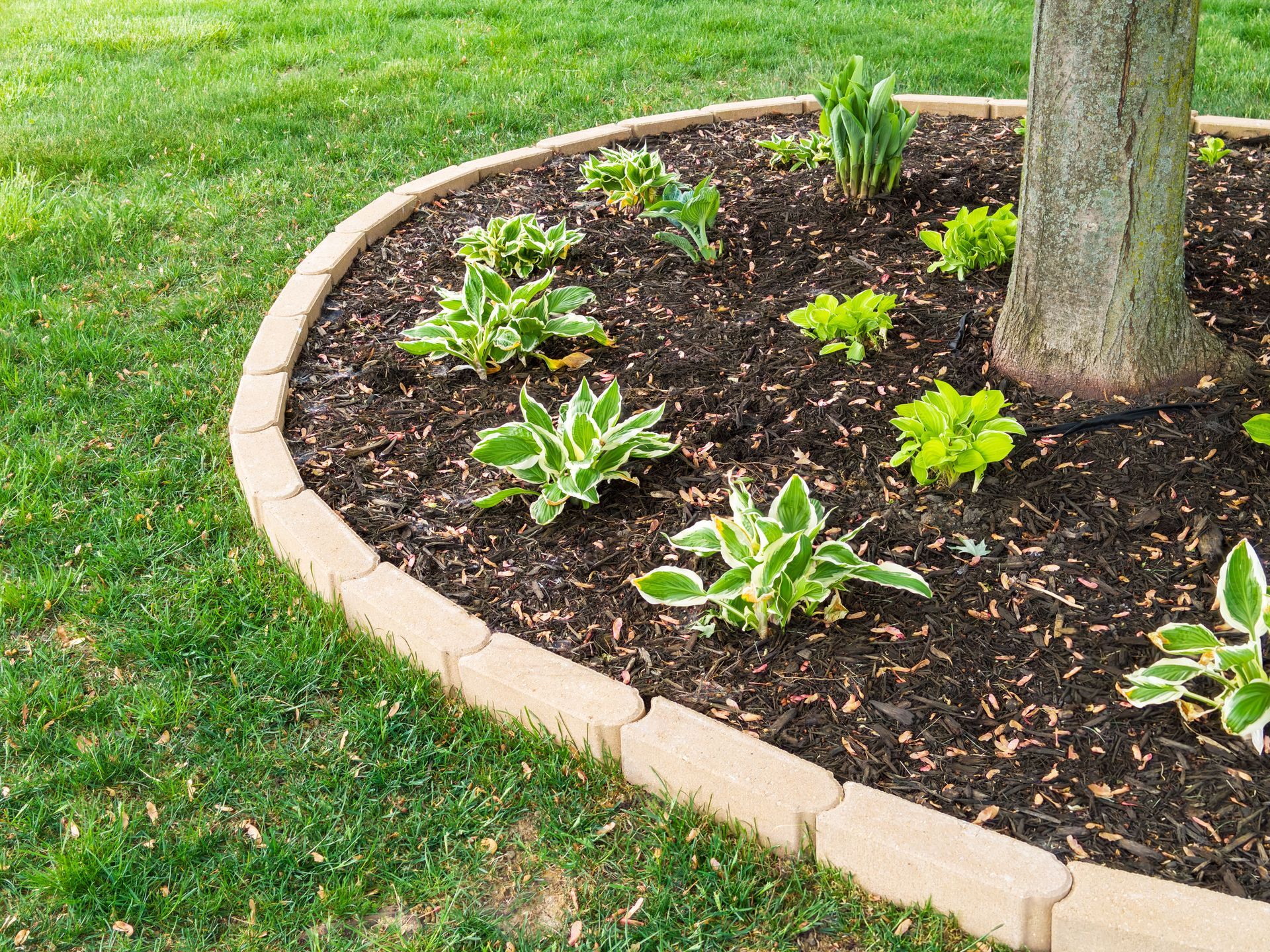
Mulch is often treated as a simple landscaping material, but it plays an important role in maintaining healthy trees and surrounding planting areas. Over time, mulch can break down, become compacted, wash away, or spread beyond the areas where it provides the most benefit. A seasonal mulch refresh can restore coverage while improving the appearance and condition of the landscape around established trees. Tree services may include recommendations for maintaining the soil and root zones surrounding trees as part of broader landscape care. Proper mulch placement can help regulate soil moisture, reduce competition from weeds, and protect roots from temperature changes. However, adding new material without removing or correcting old mulch can sometimes create problems. Homeowners should therefore pay attention to both the condition and depth of existing mulch before refreshing it. Understanding why mulch matters can help property owners maintain healthier trees while keeping their landscapes neat and functional.
Protect Tree Root Zones
Tree roots depend on suitable soil conditions to access water, oxygen, and nutrients. A properly maintained layer of mulch can help protect the soil surrounding those roots from drying out too quickly during periods of heat or limited rainfall. Tree services professionals may recommend refreshing mulch when existing material has decomposed significantly or no longer provides adequate coverage. Mulch can also create a protective barrier between the soil and lawn equipment that might otherwise disturb shallow roots. When applied correctly, it can help maintain a more stable environment around the tree throughout changing seasons. Homeowners should avoid placing mulch directly against the trunk because excessive moisture around the bark can create unfavorable conditions. Instead, mulch should be distributed across the surrounding root zone while leaving appropriate space around the base. Maintaining this balance allows mulch to provide protection without creating unnecessary problems for the tree.
Maintain Consistent Soil Moisture
Moisture management is one of the practical benefits of maintaining an appropriate mulch layer. Mulch can slow evaporation from the soil surface, helping moisture remain available around tree roots for longer periods. This can be especially useful during hot weather when exposed soil may dry rapidly. Tree services can help homeowners identify areas where soil conditions may be affecting tree health and determine whether mulch coverage should be adjusted. Mulch should not be viewed as a replacement for watering because trees still require sufficient moisture based on species, soil, weather, and site conditions. Instead, it can work alongside appropriate watering practices reducing rapid moisture loss. Homeowners should periodically check whether mulch has become thin, displaced, or heavily saturated after significant rainfall. Refreshing the material when needed can help maintain more consistent soil conditions around established trees.
Reduce Weed Competition
Weeds growing around trees can compete with roots for water and available nutrients. A suitable layer of mulch can create a physical barrier that makes it more difficult for many weed seeds to germinate and establish. Tree services professionals may recommend removing existing weeds before applying fresh mulch so that unwanted growth is not simply covered. Keeping the root zone relatively clear can also make it easier to inspect the tree's base and surrounding soil. However, mulch should not be piled excessively high because deep layers can create moisture and airflow concerns. Homeowners should also avoid using mulch to cover visible root problems without first determining why those roots are exposed. A well-maintained mulch bed should provide coverage without burying the trunk or creating an excessively deep layer. Regularly checking the area makes it easier to address weeds and refresh the mulch before the bed becomes difficult to manage.
Support Temperature Regulation
Soil temperatures can change significantly as outdoor conditions shift throughout the year. Mulch provides an insulating layer that can help moderate these fluctuations around tree roots. During hot weather, it can reduce direct exposure of the soil surface to intense sunlight and heat. Tree services may include seasonal recommendations for protecting trees when weather conditions create additional stress on root systems. During colder periods, mulch can also provide some insulation that helps reduce rapid temperature changes in the soil. According to This Old House, mulch is measured and sold by volume, with professionals generally targeting about three inches for new landscaping beds and one inch for existing beds. Following appropriate application practices is important because too little mulch may provide limited benefits while excessive amounts can create other concerns. Maintaining a suitable layer gives the soil some protection without unnecessarily restricting air and water movement.
Improve Landscape Appearance
A fresh layer of mulch can also improve the overall appearance of a property. Faded, scattered, or decomposed mulch can make otherwise well-maintained landscaping look unfinished or neglected. Tree services often address the condition of areas surrounding trees because attractive and functional root zones can complement the rest of the landscape. Consistent mulch coverage can create cleaner boundaries between trees, planting beds, lawns, and walkways. Homeowners can select mulch based on the desired appearance, the needs of the landscape, and the material's suitability for the site. Before adding new material, old mulch should be assessed rather than automatically covered with another layer. Removing excessive buildup and redistributing usable material can produce a cleaner result while maintaining appropriate depth. A refreshed mulch bed can therefore provide both practical benefits for the landscape and a more finished appearance for the property.
Prevent Soil Erosion
Rainfall can gradually wash exposed soil away, particularly on slopes or areas where water moves quickly across the landscape. Mulch can help reduce the direct impact of raindrops on the soil surface and slow the movement of water across some planting areas. This can help keep soil around tree roots from being displaced during periods of heavy rainfall. Tree services can provide useful guidance when erosion has exposed roots or altered the soil around an established tree. Homeowners should pay attention to areas where mulch repeatedly washes away because the pattern may indicate a drainage problem that requires additional attention. Simply adding more mulch may not solve the underlying cause if water is consistently flowing through the area. Adjusting drainage or addressing the slope may be necessary in more serious situations. Maintaining appropriate mulch coverage as part of broader soil management can help protect vulnerable areas from ongoing erosion.
Refresh Mulch at the Right Time
Timing a mulch refresh can make maintenance more effective and prevent unnecessary applications. Homeowners should inspect existing mulch before adding new material rather than following a rigid schedule regardless of its condition. Tree services can help evaluate trees and surrounding soil when mulch has become heavily decomposed, displaced, or mixed with other landscape materials. Seasonal changes may also affect when homeowners choose to refresh their beds, particularly when preparing landscapes for periods of heat or heavy rainfall. Before applying new mulch, remove weeds and redistribute existing material when appropriate. Check the area around the trunk to make sure mulch has not accumulated against the bark. After application, inspect the bed periodically because rainfall, wind, and routine yard work can shift the material. A condition-based approach helps homeowners maintain useful mulch coverage without continually adding unnecessary layers.
Combine Mulch With Tree Care
Mulch should be considered one part of a broader approach to maintaining healthy trees. Trees also benefit from appropriate watering, pruning, inspections, soil care, and attention to signs of pests or disease. Tree services can help property owners identify concerns that may not be obvious during routine yard maintenance. A professional assessment can be particularly useful when trees show changes in leaf color, growth, bark condition, or overall structure. Mulch should never be used to hide damaged bark, exposed roots, soil problems, or other conditions that require closer inspection. Instead, it should complement the care already being provided to the tree and surrounding landscape. Keeping the root zone clean and appropriately covered makes routine inspections easier and supports a more organized maintenance routine. Combining proper mulch care with regular tree maintenance can help homeowners protect their landscapes through changing seasons.
For professional tree care and guidance on maintaining healthy landscapes, contact Warwick Tree Service Inc to discuss mulch refreshes, tree maintenance, and other services that can help keep your property in good condition.