October 8, 2026
Healthy trees add beauty, shade, privacy, and value to a property, but they also require ongoing attention. Like any living organism, trees can become weakened by disease, insects, storms, environmental stress, age, or physical damage. Decay is particularly important to identify because it can compromise the internal structure of a tree even when the exterior appears relatively healthy.
Recognizing warning signs early can give property owners an opportunity to address problems before they become more extensive. Regular inspections and professional evaluations can also help determine whether a tree can be preserved or whether removal has become necessary. In this article, we will discuss the warning signs of tree decay, why early detection matters, and how professional care can help prevent damage.
Understanding the Causes of Tree Decay
Tree decay can develop for several reasons. Injuries to bark or branches can create openings through which fungi and other organisms enter the tree. Broken limbs, improper pruning, lightning strikes, construction damage, and storm injuries can all contribute to conditions that allow decay to develop.
Trees can also become vulnerable because of age, drought, flooding, soil problems, or other environmental stresses. When a tree is already weakened, it may have greater difficulty defending itself against organisms that contribute to decay.
Decay does not always mean that an entire tree is beyond saving. Depending on the location and extent of the damage, professional care may help preserve portions of the tree. The important step is identifying potential problems before they progress to a point where structural stability is seriously compromised.
Recognizing the Signs of Internal Decay
Some signs of decay are easy to notice, while others require a trained professional to identify. Cavities or hollow areas in the trunk can indicate that internal wood has deteriorated. Cracks, dead branches, unusual fungal growth, and areas of missing or damaged bark can also warrant closer inspection.
Changes in a tree's overall appearance may provide additional clues. A tree that suddenly develops extensive deadwood, loses branches, or shows significant changes in foliage may be experiencing stress or disease.
However, healthy-looking foliage does not necessarily mean the trunk and major limbs are structurally sound. Decay can occur inside a tree without immediately producing dramatic changes to its leaves. This is one reason routine inspections can be valuable, particularly for mature trees or trees that have experienced previous damage.
Watching for Damage After Storms
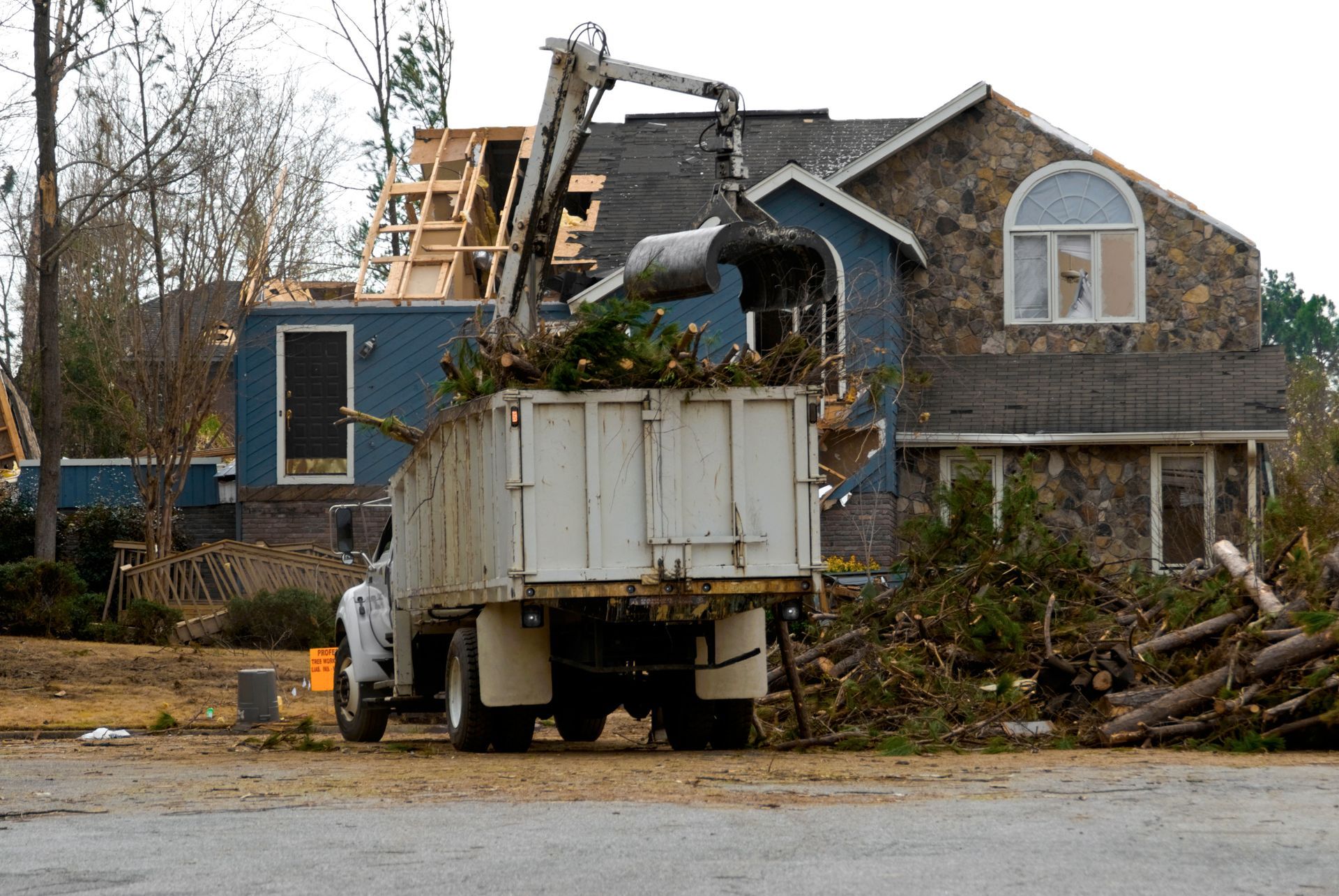
Severe weather can create conditions that contribute to decay and structural problems. High winds can break branches, split trunks, or damage roots. Heavy snow and ice can also place significant weight on limbs.
After a storm, property owners should look for broken branches, hanging limbs, cracks, exposed wood, leaning trees, and areas where bark has been torn away. Even damage that initially appears minor can create an entry point for decay-causing organisms.
Property owners should avoid climbing trees or attempting to remove large damaged branches themselves. A qualified tree removal contractor can assess the condition of the tree and determine whether pruning, treatment, monitoring, or removal is appropriate.
Understanding Why Early Detection Matters
Early detection gives property owners more information and potentially more options. When decay is discovered while a tree is still structurally stable, professionals may be able to recommend measures that support its continued health.
Routine monitoring can also help identify changes over time. A tree that appears stable during one inspection may develop additional damage later, particularly if it is exposed to severe weather or ongoing environmental stress.
Addressing problems early may also reduce the risk of damage to nearby structures, vehicles, landscaping, and people. Trees located near homes, driveways, sidewalks, power lines, or frequently used outdoor areas deserve particular attention because a failing branch or tree can create significant hazards.
Knowing When Professional Evaluation Is Needed
A professional evaluation is especially important when decay is suspected in a large or mature tree. Tree care professionals can examine the trunk, branches, roots, and surrounding conditions to assess potential hazards.
A tree removal contractor may be able to explain whether a damaged tree can be preserved through pruning or other measures or whether removal should be considered. Getting an assessment does not automatically mean a tree must be removed. Instead, it provides property owners with information they can use to make decisions about tree care.
Professional evaluation can be particularly valuable when the tree has a large cavity, significant cracks, extensive deadwood, substantial storm damage, or noticeable leaning. Trees near buildings and other valuable property may also warrant closer inspection.
Understanding When Removal Becomes Necessary
Tree preservation is often desirable, but keeping a severely compromised tree in place can create unnecessary risks. When decay has significantly affected the tree's structural integrity, removal may eventually become the appropriate course of action.
According to Today's Homeowner, a tree should be removed when more than half of it has been damaged or affected by decay. This provides a useful guideline for understanding why the extent of deterioration matters when evaluating whether a tree can safely remain on a property.
The decision should be based on the tree's condition, location, structural stability, and potential hazards rather than appearance alone. A professional assessment can help determine how extensive the damage is and whether removal is warranted.
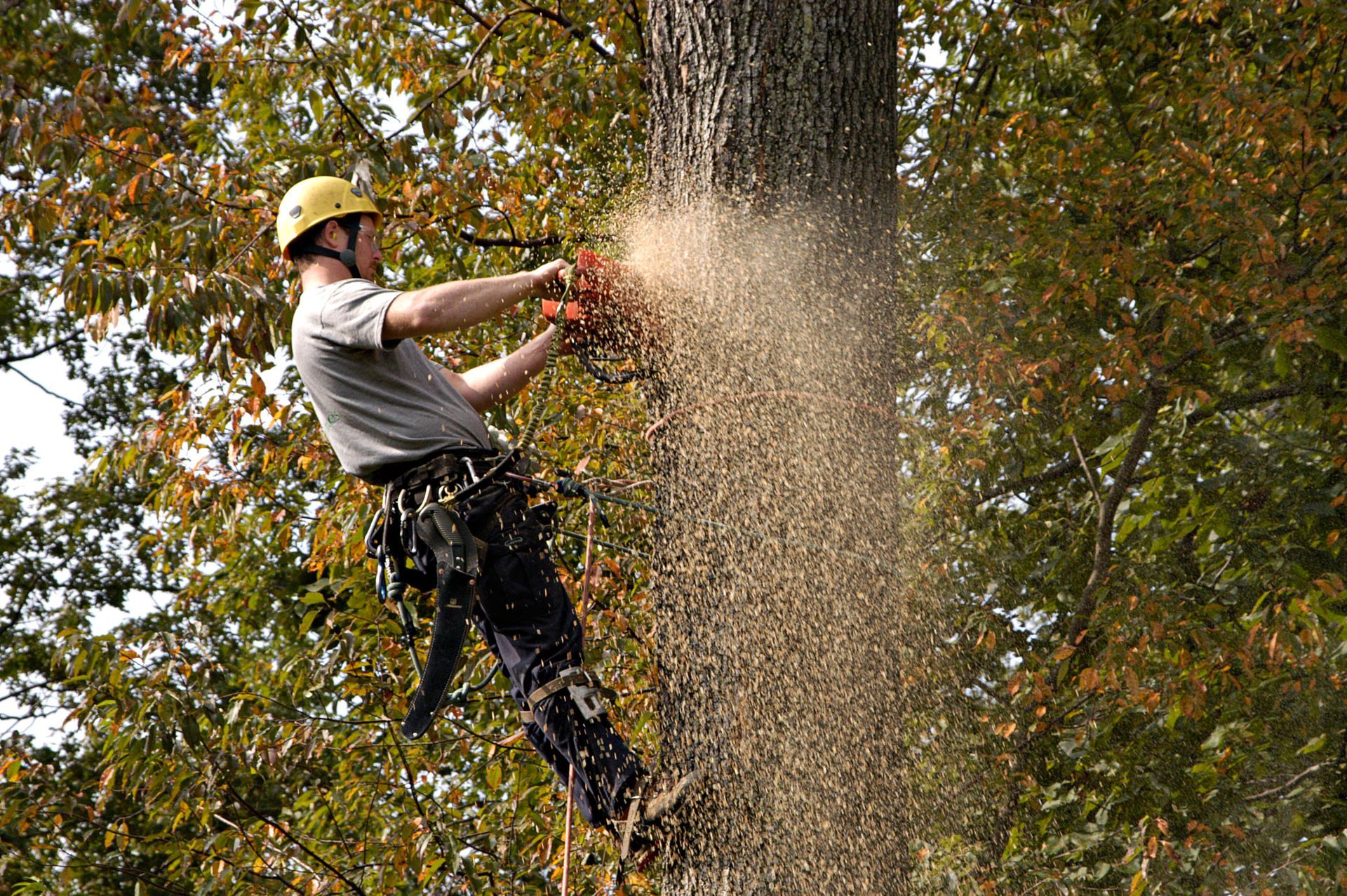
A tree removal contractor can also help property owners understand what the removal process involves, particularly when a tree is large, damaged, or located near structures. Professional removal can reduce the risks associated with attempting to handle a hazardous tree without appropriate equipment or experience.
Protecting Trees Through Routine Care
Prevention begins with consistent tree care. Property owners should monitor trees throughout the year and pay attention to changes in bark, branches, foliage, and overall structure.
Proper pruning can help remove dead or damaged branches before they become larger problems. Trees should also receive appropriate water and care based on their species and growing conditions. Protecting the root zone from unnecessary soil compaction and construction damage can further support long-term health.
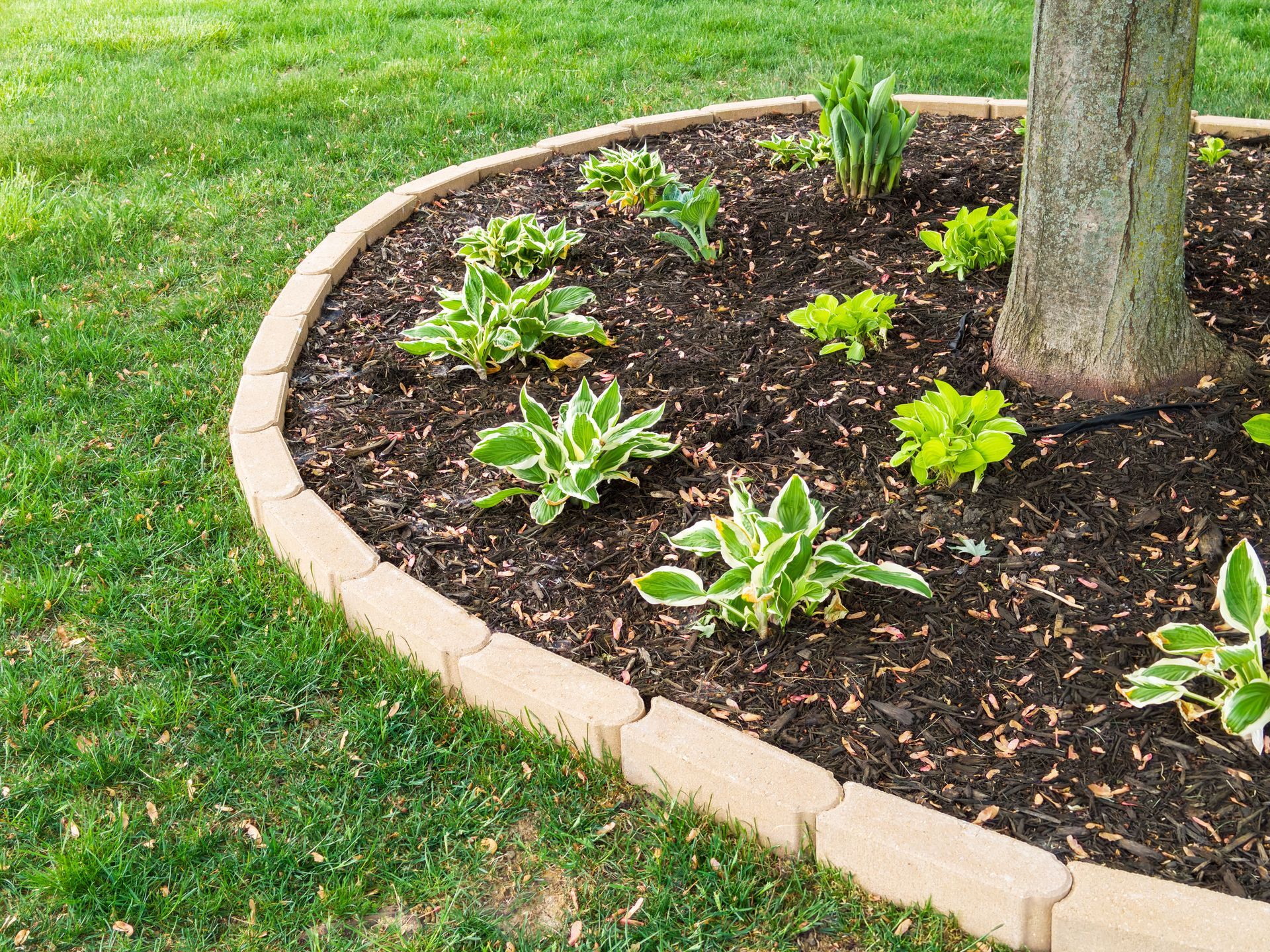
Mulching can help protect soil around trees, although mulch should not be piled directly against the trunk. Property owners should also avoid damaging roots or bark with lawn equipment.
Routine maintenance does not guarantee that decay will never occur, but it can help reduce stress and make potential problems easier to identify.
Considering the Tree's Surroundings
A tree's location should be part of every health and safety assessment. A decaying tree in an isolated section of a large property may present different concerns than one positioned directly beside a home, driveway, playground, or walkway.
Branches that extend over roofs or areas where people frequently gather deserve particular attention. Root problems can also affect sidewalks, driveways, retaining structures, or underground infrastructure.
When evaluating a tree, consider both its condition and what could be affected if a branch or the entire tree were to fail. A tree removal contractor can evaluate these surroundings as part of a professional assessment and explain potential hazards.
This broader perspective helps property owners understand that tree health is not only about preserving an attractive landscape. It is also about maintaining a safe environment.
If you have noticed signs of decay, storm damage, or structural problems in a tree on your property, schedule a professional inspection with Warwick Tree Service Inc. A tree removal contractor will ensure you understand its condition and determine the next steps for protecting your trees, property, and family.